
Planning a road adventure that feels exciting, easy and practical becomes far simpler when you focus on effective National Park RV Trip Planning for 2026. More travellers want to explore the outdoors with the freedom of an RV, and the trend continues to rise steadily.
You can avoid stressful guesswork when you understand the rules, book the right campsites and follow a route that suits your group. This is why good preparation is your greatest advantage. National Park RV Trip Planning helps you stay organised and enjoy more of the journey rather than worrying about logistics on the road.
You make better choices when you know what the parks offer. Many parks now follow reservation systems, adjust seasonal restrictions and manage capacity to protect natural resources. These updates play a big role in your National Park RV Trip Planning for 2026. You should look at availability, road conditions and RV-friendly facilities before you settle on a date.
A well-planned trip gives you peace of mind. It also ensures that you arrive with the right equipment, the right expectations and a route that fits your driving comfort.
Travellers often underestimate how much timing matters. Peak months fill up fast, and you might struggle to find RV spaces if you book late. A thoughtful approach to National Park RV Trip Planning lets you pick the ideal season, the best park entrance and the most scenic drives.
With clear steps, you can avoid long queues, last-minute stress and overcrowded campsites. This guide brings everything together in a simple and conversational way. You will find practical insights, tips, tools and a clear structure that supports your journey in 2026.
1. Choose the Right National Parks for Your Journey
How Picking the Right Park Shapes Your National Park RV Trip Planning
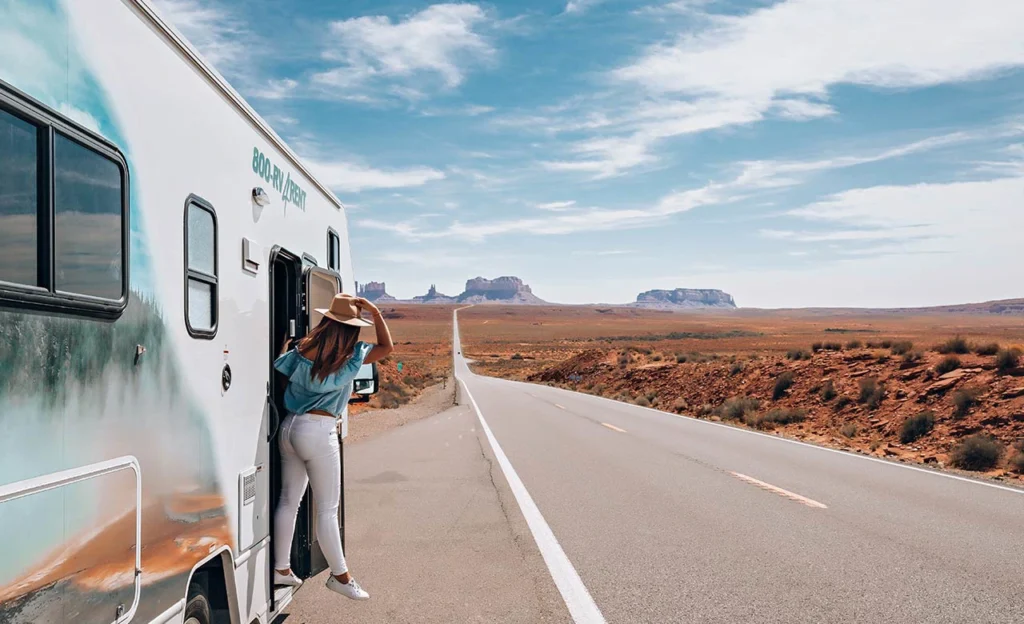
Your destination sets the foundation of your National Park RV Trip Planning, and choosing the right park ensures your holiday flows smoothly from the first mile. Some national parks are designed with wide, forgiving roads that accommodate larger RVs effortlessly, while others include narrow passages, hairpin bends and length restrictions that make driving stressful.
Because of this, picking your park carefully influences the comfort, safety and rhythm of your entire trip. When you take the time to explore park guidelines, check RV length limits, study campground layouts and look at road warnings, you avoid situations that could slow you down or restrict access.
Many parks publish detailed RV maps, which show loops with larger pads, dump stations and areas with easier entry points. Climate also matters.
Desert heat, mountain snowfall and coastal fog each require different driving strategies. Matching the environment to your comfort level enhances your National Park RV Trip Planning significantly. The goal is to choose a destination that complements your travel style whether that’s peaceful lakes, wildlife-rich valleys or rugged mountains. When the location feels right, the entire journey becomes more enjoyable, predictable and fulfilling.
Key Points
- Choose parks with comfortable RV access
- Look for wide campground loops
- Check seasonal road advisories
- Think about terrain and weather
- Match the park style with your interests
2. Map Out a Predictable and Scenic RV Route
Create a Route That Balances Beauty and Practicality
A well-designed route forms the backbone of your National Park RV Trip Planning, especially when long driving hours and large vehicles come into play. RVs handle differently from standard cars, so long, winding roads, steep climbs and remote highways can quickly drain your energy.
Planning shorter driving intervals allows you to maintain a steady pace without fatigue. At the same time, scenic byways can enrich your adventure with breathtaking views, provided they fit safely within your route plan.
Using RV-specific GPS apps helps you avoid roads with low clearances, tight turns or sharp drop-offs. You should also map out fuel stops, grocery options and dump stations in advance, because these essentials are not always available inside national parks.
The more prepared you are, the smoother your National Park RV Trip Planning becomes. When unexpected closures or weather changes occur, alternate routes prevent you from losing time. With the right navigation strategy, your drive feels peaceful, safe and enjoyable.
Route Planning Tips
- Add fuel and water refill stops
- Identify safe turnouts for long RVs
- Use navigation apps built for RVs
- List dump stations along the route
- Build buffer time for delays
3. Reserve RV Campgrounds in Advance
Secure Your Campsite Early for a Stress-Free Trip
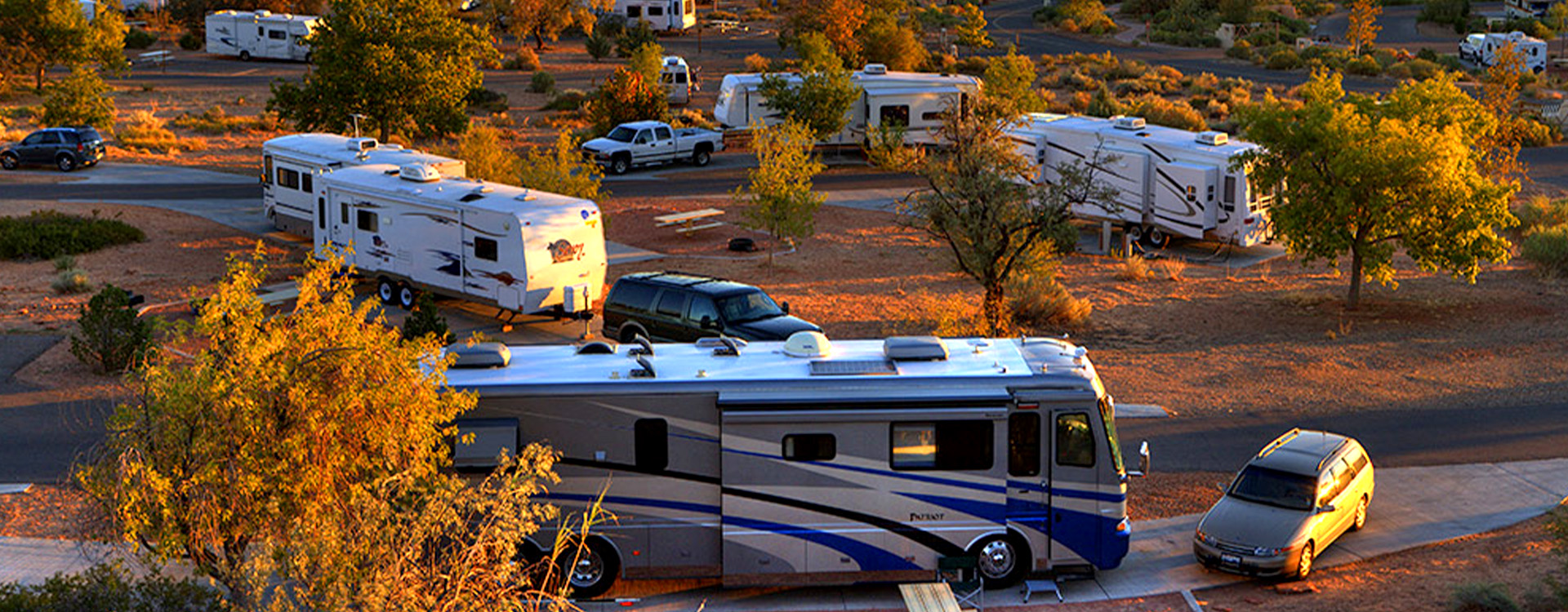
Campsites fill fast during peak seasons, which is why early reservations are critical for smooth National Park RV Trip Planning. Many popular national parks now operate on reservation-only systems, eliminating walk-in camping altogether.
If you want the convenience of staying inside the park close to trailheads, shuttles or scenic loops you need to book as early as possible. When you study campground maps, you can choose a site that fits your RV length, offers level ground and provides hookups if needed. Some campgrounds have limited power or water options, so it helps to review the amenities before committing.
Reservations also reduce stress because you won’t need to spend valuable travel time searching for last-minute alternatives outside the park. Having a guaranteed campsite gives you more control over your schedule and allows your National Park RV Trip Planning to run more smoothly. Once your spot is secured, you can focus on enjoying the journey instead of worrying about availability.
Campground Checklist
- Check RV length limits
- Confirm power and water hookups
- Look for water fill stations nearby
- Choose sites near shuttle stops
- Review noise and quiet hours
4. Prepare for Changing Weather Conditions
Stay Weather-Ready to Protect Your RV and Comfort
Weather can shift dramatically inside national parks, and anticipating these changes strengthens your National Park RV Trip Planning. Mountain parks can deliver cold mornings even in summer. Desert parks can feel scorching during the day but surprisingly chilly at night. Rain, wind, fog and unexpected storms can affect visibility and road safety.
Preparing early keeps your group comfortable and your RV functioning properly. Packing layers ensures you can adapt to temperature swings quickly. Installing reflective window covers helps manage heat, while a portable heater or fan can make the RV more pleasant during extreme conditions. Checking weather alerts daily keeps you informed of potential storms or road closures.
Even tyre pressure can fluctuate with temperature, so monitoring it helps your RV remain safe and steady on the road. By treating weather preparedness as part of your National Park RV Trip Planning, you avoid discomfort and reduce unexpected challenges. It adds confidence to your journey, knowing you can handle whatever nature brings.
Weather Planning Tips
- Carry warm and cool clothing layers
- Bring portable heating or cooling tools
- Use reflective window covers
- Check alerts every morning
- Adjust tyre pressure for temperature
5. Create a Practical Meal and Supply Plan
A Smart Food System Makes RV Life Easier
Food preparation plays a vital role in National Park RV Trip Planning, especially since many parks lack easy access to large grocery stores. Planning your meals early prevents unnecessary detours, saves time and helps you stay consistent with your travel route. Packing simple, quick recipes keeps cooking manageable in a compact RV kitchen.
Long-lasting snacks such as nuts, fruit bars or dried fruit offer reliable energy during hikes or delays. Storing ingredients in stackable containers helps keep the RV tidy and maximises limited space. Water is essential, so carrying enough for drinking, cooking and cleaning protects you from dehydration or shortages in remote areas.
Reusable storage bags and wraps help reduce waste and make organising easier. With a well-structured kitchen setup, your National Park RV Trip Planning becomes far more organised and efficient. A thoughtful meal plan ensures you always have something ready, even on busy days.
Smart Meal Ideas
- Choose recipes with short prep time
- Stock non-perishable snacks
- Use airtight containers
- Carry extra drinking water
- Bring reusable storage supplies
6. Understand RV Size, Power and Maintenance Needs
Know Your Vehicle to Enjoy a Smoother Journey
A strong understanding of your RV’s capabilities dramatically improves your National Park RV Trip Planning. Larger RVs may struggle with narrow or winding park roads, while smaller RVs require more frequent resupply stops.
Knowing your RV’s length, height and power needs helps you avoid challenging areas or areas with limited access. Ensuring your RV is in excellent mechanical condition reduces the risk of unexpected breakdowns, especially in remote locations. Inspect engine fluids, tyre tread and pressure before the trip. Confirm that your lights, wipers and brakes work well.
Carry spare parts like fuses, hoses and belts because replacement items might not be available inside national parks. Cleaning air filters improves efficiency on dusty trails or mountain roads. With a well-maintained vehicle, your National Park RV Trip Planning feels safer and more predictable. This preparation gives you the confidence to explore without worrying about mechanical issues.
Maintenance Essentials
- Check all fluids before leaving
- Inflate tyres to correct pressure
- Test headlights, indicators and brakes
- Pack spare fuses, belts and hoses
- Clean or replace air filters
7. Prioritise Safety and Emergency Readiness
A Safety Plan Adds Confidence to Your National Park RV Trip Planning
Safety is one of the most important parts of National Park RV Trip Planning, because national parks often include steep roads, limited mobile signals and active wildlife. Having a solid emergency plan keeps you calm and prepared if something unexpected happens.
A fully stocked first aid kit is essential for treating minor injuries on the road. Offline maps help you navigate areas without reception. A fire extinguisher should be stored where it can be reached quickly. Flashlights and extra batteries help during power outages or night emergencies. Carrying emergency food and water ensures you can manage delays if you get stuck due to weather or road closures.
When you prepare for safety issues early, your entire National Park RV Trip Planning becomes more secure and relaxed. You travel with peace of mind, knowing you’re ready for anything.
Emergency Essentials
- Keep an updated first aid kit
- Download offline GPS maps
- Store an accessible fire extinguisher
- Bring spare batteries and flashlights
- Carry backup water and food
8. Plan Wildlife Viewing and Park Activities
Make Activities the Heart of Your National Park RV Trip Planning
Activities add excitement and meaning to your National Park RV Trip Planning, giving you the chance to explore trails, viewpoints, lakes and wildlife areas. Planning these experiences early helps manage time, crowds and energy levels.
Many parks offer iconic sunrise spots that require arriving early to avoid congestion. Ranger programs provide educational insight into the park’s ecosystem, history and wildlife. Having binoculars enhances your wildlife viewing, especially in parks known for bears, elk or bison. Some hikes may require permits or limited access, so researching them early prevents disappointment.
Visitor centres are also valuable because they provide updated information about trail closures, weather conditions and wildlife activity. When your activities align with your interests and schedule, your National Park RV Trip Planning becomes more enjoyable and balanced. You create memories that stay with you long after the trip ends.
Activity Ideas
- Visit sunrise viewpoints
- Join ranger-led programs
- Explore easy and scenic hikes
- Bring binoculars for wildlife
- Check updates at visitor centres
9. Budget for Fuel, Fees and Hidden Costs
A Clear Budget Supports a Stress-Free RV Adventure
Budget planning is a realistic but crucial part of National Park RV Trip Planning, because travel expenses inside and around national parks vary widely. Entrance fees, campground reservations, fuel costs and supply restocking can add up quickly across long distances.
Creating a budget early helps you anticipate these costs and avoid surprises later. The price of fuel fluctuates between states and regions, so estimating mileage helps you prepare accurate totals. Some attractions or activities may require extra fees, so setting aside a little cushion money gives you more flexibility.
Emergency repair funds are also important because mechanical issues can occur unexpectedly, especially on rugged terrain. A well-planned budget keeps your National Park RV Trip Planning aligned with your financial comfort, making the trip smoother and more enjoyable. With clear expectations, you travel confidently without stress.
Budget Factors
- Entry fees for national parks
- Nightly campground rates
- Fuel for long routes
- Grocery and supply costs
- Unexpected repair expenses
10. Keep a Flexible and Enjoyable Travel Mindset
Let Flexibility Guide Your National Park RV Trip Planning
Flexibility plays a major role in successful National Park RV Trip Planning, because nature rarely follows human schedules. Weather can shift quickly, wildlife may stop traffic, and road repairs might appear without warning.
Embracing these changes with a relaxed mindset transforms potential frustration into adventure. A flexible approach helps you appreciate spontaneous scenic stops, peaceful moments and views you didn’t expect to see. It also reduces pressure on your group, allowing everyone to enjoy the journey without worrying about staying perfectly on schedule.
This mindset turns each day into a pleasant flow rather than a strict agenda. When you release the idea of perfection, your National Park RV Trip Planning feels calmer, lighter and far more rewarding. The journey becomes a chance to explore, pause and connect with the landscape rather than chase deadlines. Flexibility gives your trip its natural rhythm.
Flexible Mindset Tips
- Build open gaps into your schedule
- Treat delays as interesting detours
- Keep alternate plans ready
- Store quick snacks for unexpected waits
- Pause for beautiful unplanned views
Table: National Park RV Trip Planning Essentials
| Category | What to Check | Why It Matters |
|---|---|---|
| RV Size | Length limits, parking space | Ensures your RV can access park roads and campgrounds |
| Reservations | Campsites, park entry | Avoids full slots during peak months |
| Route | Fuel stops, elevation, scenic drives | Supports safe and enjoyable travel |
| Weather | Seasonal conditions, alerts | Prevents discomfort and protects equipment |
| Supplies | Food, water, emergency kits | Supports comfort in remote areas |
| Safety | First aid, maps, tools | Keeps the journey secure |
| Budget | Fuel, fees, permits | Reduces financial stress |
| Activities | Hikes, drives, tours | Enhances your adventure |
| RV Maintenance | Fluids, tyres, power systems | Prevents breakdowns |
| Flexibility | Backup plans, time buffers | Keeps the journey enjoyable |
Must Read:
- Mini RV Rental for Weekend Trips
- Family RV Rental Package Deals 2026
- Eco RV Trip Planning Guide 2026
Final Words
Your National Park RV Trip Planning for 2026 can transform your journey into a smooth, stress-free and rewarding adventure. Thoughtful preparation helps you enjoy every part of the experience. When you plan your routes, campsites, food, safety and activities, you remove the guesswork and enjoy more of the scenery. You also build a travel flow that suits your comfort and gives you time to appreciate the beauty of nature.
The goal of strong National Park RV Trip Planning is not perfection. It is about creating smart choices that support your trip and keep your group safe and happy. With the right mindset and tools, you can travel confidently through stunning landscapes and peaceful campgrounds.
Your 2026 RV journey can become a memory that lasts for years. Preparation makes it possible. Your spirit of adventure completes it.