
Eco-Friendly RV Camping is becoming a popular choice for beginners who want comfortable travel while still respecting nature. Many people enjoy the idea of exploring new places without causing harm to the environment. Eco-Friendly RV Camping makes this possible by encouraging mindful habits that lower waste, reduce emissions, and protect natural landscapes. When you choose Eco-Friendly RV Camping, you set the foundation for more responsible adventures, where every choice creates a positive impact.
Eco-Friendly RV Camping also helps beginners understand how easy sustainability can be. You do not need expensive equipment or complicated routines. Simple actions such as conserving water, planning efficient routes, using reusable items, and choosing eco-certified campsites already make a remarkable difference.
Eco-Friendly RV Camping lets you enjoy open roads, forest trails, lakeside views, and mountain breezes without leaving unnecessary marks on the environment. This small shift in behaviour ensures that the beauty of these places lasts for generations.
Eco-Friendly RV Camping encourages a deeper connection with nature. When you travel responsibly, you notice things you might miss otherwise: clean air, quiet nights, clear streams, and untouched terrains. These natural gifts make Eco-Friendly RV Camping more rewarding because you are actively helping to protect them.
Beginners often find that sustainable habits quickly become natural, making each journey feel balanced and purposeful. Whether you are travelling with family, friends, or solo, Eco-Friendly RV Camping gives you freedom, comfort, and peace of mind.
Understanding the Value of Eco-Friendly RV Camping
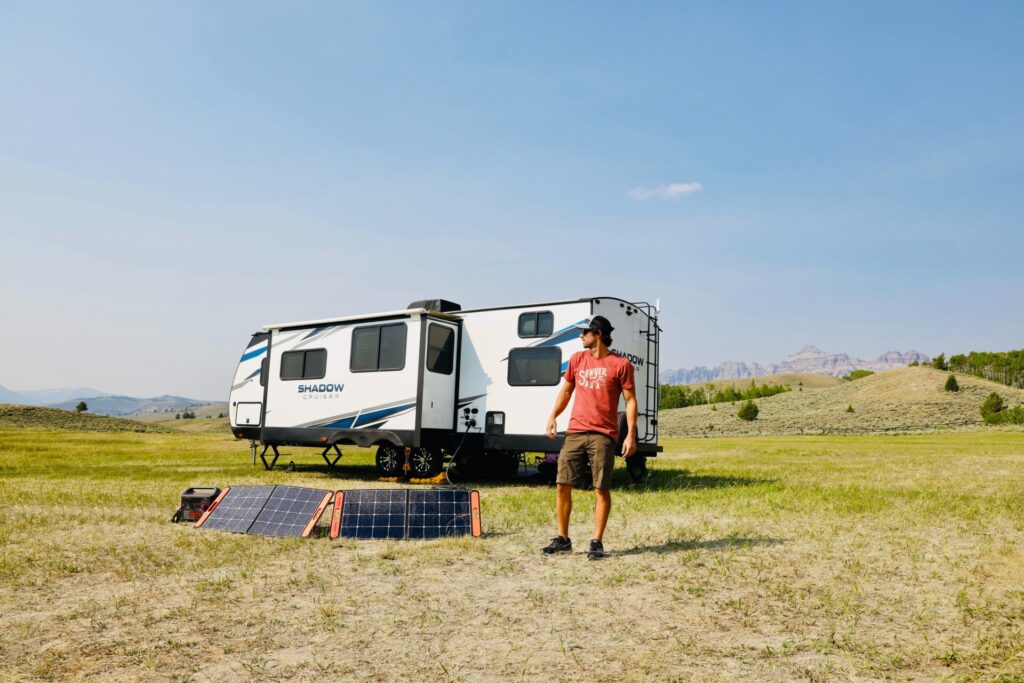
Eco-Friendly RV Camping offers beginners a chance to travel with a conscience. It gives you independence while reminding you to care for the environments you visit. Eco-Friendly RV Camping builds awareness about how everyday choices affect wildlife, water systems, and natural trails. When you adopt sustainable habits early, you become a more thoughtful traveller who contributes to preserving scenic spaces across the country.
Eco-Friendly RV Camping also helps reduce pollution. RVs normally consume fuel, produce waste, and use significant amounts of electricity. But with a few efficient adjustments, beginners can cut these environmental effects dramatically. Eco-Friendly RV Camping encourages efficient driving, lower energy use, and better waste management. These actions keep parks clean, reduce landfill contributions, and protect natural habitats.
Why Beginners Should Prioritise Eco-Friendly RV Camping
Eco-Friendly RV Camping helps beginners learn responsible habits from the start. It shapes the way you pack, cook, clean, and plan your routes. Eco-Friendly RV Camping also reduces your overall travel costs. Conserving electricity, driving shorter distances, reusing water containers, and choosing energy-smart tools help keep expenses low. Many campgrounds also offer discounts for travellers who follow eco-guidelines.
Eco-Friendly RV Camping improves the quality of your journey because you experience calmer surroundings. Clean campsites, organised waste areas, and low-noise energy systems create a relaxing atmosphere. This approach also allows you to connect better with wildlife and natural views, giving you a more peaceful travel experience.
How Eco-Friendly RV Camping Supports Local Communities
Eco-Friendly RV Camping is not only about protecting the environment. It also supports small towns, local parks, and family-run campsites. When beginners choose Eco-Friendly RV Camping locations that value conservation, they help fund maintenance projects, wildlife protection, and community programmes. Eco-Friendly RV Camping encourages spending at local markets, eco-tours, and outdoor shops instead of large commercial chains. This helps boost local economies and keeps rural areas thriving.
Eco-Friendly RV Camping also motivates campgrounds to improve their sustainability standards. When more travellers demand responsible services, parks introduce solar lighting, recycling centres, water-saving features, and nature-friendly cleaning practices. This positive cycle benefits everyone campers, communities, and the environment.
1. Pack Light for Eco-Friendly RV Camping
Travelling light is one of the smartest ways to make your road trips more sustainable. A lighter load means your RV consumes less fuel and produces fewer emissions. By bringing only what you truly need, you’ll create a smoother, more energy-efficient journey while enjoying the freedom of simple living.
Why Packing Light Benefits Sustainable Travel
Every kilogram counts when driving an RV. Extra weight increases fuel use, which leads to higher emissions. Packing light helps reduce this strain while improving overall vehicle performance. Choose multipurpose clothing, compact cookware, and lightweight camping gear.
Minimal packing also keeps your space clutter-free, creating a calmer travel environment. It’s not about depriving yourself it’s about travelling smarter, using less, and enjoying more open space. Eco-Friendly RV Camping becomes effortless when efficiency guides your packing decisions.
Pack Light for Eco-Friendly RV Camping:
- Bring only essential clothing and gear.
- Use collapsible or multi-purpose items.
- Store heavy objects low for better balance.
- Check your RV’s load capacity before departure.
- Leave non-essentials at home to reduce weight.
2. Choose Biodegradable Essentials During Eco-Friendly RV Camping
Sustainability starts with your supplies. Using biodegradable essentials while camping helps reduce long-term environmental harm. Eco-Friendly RV Camping means replacing single-use plastics and chemicals with products that safely return to the earth.
How Biodegradable Products Support the Environment
Soaps, shampoos, and detergents often contain chemicals that can damage soil and waterways. Biodegradable options break down naturally, keeping nature unharmed. Switch to compostable trash bags, bamboo utensils, and eco-friendly wipes.
These simple swaps minimise pollution without sacrificing convenience. Even small efforts like avoiding synthetic sponges or petroleum-based cleaners make a measurable impact. Eco-Friendly RV Camping with biodegradable essentials ensures that every wash, wipe, or rinse aligns with your respect for the planet.
Choose Biodegradable Essentials During Eco-Friendly RV Camping:
- Use plant-based soaps and detergents.
- Replace plastic utensils with bamboo or metal ones.
- Carry compostable trash liners.
- Avoid chemical-heavy cleaning sprays.
- Buy products in recyclable packaging.
3. Carry Reusable Water Bottles in Eco-Friendly RV Camping
Reusable bottles are a must for sustainable travel. They cut plastic waste, save money, and keep you hydrated wherever the road takes you. In Eco-Friendly RV Camping, small habits like this collectively make a big difference.
Why Reusables Are Essential for Sustainable Camping
Plastic bottles are among the top pollutants in campsites and natural areas. Carrying reusable water containers helps prevent litter and lowers demand for single-use plastics. Invest in stainless steel or BPA-free bottles that keep drinks cool and last for years.
Refill at water stations instead of buying bottled drinks. Many eco-friendly campgrounds now offer free refilling points, making it convenient to stay hydrated responsibly. A single reusable bottle can eliminate hundreds of disposables each year proof that small steps truly matter.
Carry Reusable Water Bottles in Eco-Friendly RV Camping:
- Use stainless steel or BPA-free bottles.
- Refill at clean water stations.
- Avoid buying bottled water.
- Keep separate bottles for hot and cold drinks.
- Clean and reuse regularly for hygiene.
4. Switch Off Unused Appliances While Eco-Friendly RV Camping
Energy conservation is key when living on the road. Turning off unused devices prevents unnecessary battery drain and extends your RV’s power efficiency. This small but mindful act reduces both fuel use and environmental strain.
How Energy Awareness Improves Eco-Friendly RV Living
Many travellers overlook the impact of idle appliances. Even small devices chargers, fans, or lights consume power when left running. Make it a habit to unplug or switch off electronics when not needed. Use LED bulbs and energy-efficient devices to lower overall consumption.
Consider installing solar panels for clean, renewable energy. These actions help your Eco-Friendly RV Camping experience stay comfortable, sustainable, and low-cost throughout the journey.
Switch Off Unused Appliances While Eco-Friendly RV Camping:
- Turn off lights when leaving the RV.
- Unplug idle chargers and gadgets.
- Use energy-efficient bulbs and fans.
- Install solar panels for renewable power.
- Monitor battery levels regularly.
5. Plan Shorter Routes for Eco-Friendly RV Camping
Efficient route planning helps save fuel, time, and emissions. Instead of long, tiring drives, shorter routes let you explore nearby attractions while maintaining lower environmental impact. Eco-Friendly RV Camping thrives on balance, not distance.
Why Shorter Journeys Are Greener
Every kilometre you drive burns fuel, so planning routes strategically makes a huge difference. Choose destinations within reasonable distance and cluster your activities geographically. Use GPS tools that show fuel-efficient paths or avoid steep terrains when possible.
Slower, scenic drives also create a calmer pace that enhances your trip. By reducing total mileage, Eco-Friendly RV Camping becomes not just relaxing but also eco-responsible. Less fuel, fewer emissions, and more time to enjoy the outdoors.
Plan Shorter Routes for Eco-Friendly RV Camping:
- Map routes with minimal backtracking.
- Explore nearby parks and towns.
- Use GPS tools for fuel-efficient paths.
- Avoid heavy traffic and steep climbs.
- Schedule rest stops strategically.
6. Choose Eco-Certified Sites for Eco-Friendly RV Camping
Where you stay matters as much as how you travel. Eco-certified campsites support sustainable tourism through energy-efficient infrastructure, waste reduction, and habitat protection. Staying at these locations reinforces your commitment to responsible travel.
How Eco-Certified Sites Strengthen Green Tourism
Eco-certified campgrounds follow strict guidelines to minimise environmental impact. They use renewable energy, offer recycling facilities, and often support local conservation programs. These sites balance comfort with care for nature.
When you book an eco-certified spot, you directly support organisations promoting greener travel standards. Choosing such places means your stay contributes positively to the planet while ensuring a cleaner, more conscious camping experience.
Choose Eco-Certified Sites for Eco-Friendly RV Camping:
- Look for Green Key or EcoTourism-certified parks.
- Check for renewable power sources.
- Use campsites with recycling and compost bins.
- Prefer parks supporting wildlife conservation.
- Book locally owned, eco-conscious grounds.
7. Cook with Efficient Stoves During Eco-Friendly RV Camping
Cooking responsibly is another way to lower your environmental footprint. Using efficient stoves saves both energy and resources while making meal preparation faster and cleaner.
Why Energy-Efficient Cooking Matters
Modern camping stoves designed with eco-burners use less fuel while delivering strong performance. Propane or solar-powered stoves are excellent for reducing carbon output. Cook in batches to minimise fuel use and consider using lids to trap heat efficiently. When possible, choose local, seasonal produce to reduce packaging and transport waste.
Eco-Friendly RV Camping with mindful cooking keeps both your stomach and the planet happy, ensuring that every meal feels responsible and rewarding.
Cook with Efficient Stoves During Eco-Friendly RV Camping:
- Use solar, propane, or efficient gas stoves.
- Cook larger meals to save energy.
- Use lids to speed up heating.
- Choose local ingredients when shopping.
- Avoid disposable cutlery and plates.
8. Sort Recyclables Properly While Eco-Friendly RV Camping
Recycling plays a huge role in sustainable travel. Proper waste separation ensures that reusable materials don’t end up polluting the environment. Eco-Friendly RV Camping depends on every traveller’s contribution to keeping sites clean.
How Proper Waste Sorting Protects Nature
Most eco-campsites provide recycling bins, but sorting correctly is up to campers. Separate plastics, paper, glass, and organic waste. Avoid contaminating recyclables with food residue. Keep reusable bags or bins inside your RV for convenience.
Composting organic matter where allowed helps create natural fertiliser for local flora. By staying organised, you help preserve beautiful outdoor spaces for everyone to enjoy.
Sort Recyclables Properly While Eco-Friendly RV Camping:
- Use colour-coded bins for easy sorting.
- Rinse containers before recycling.
- Keep separate bags for compost and trash.
- Dispose of waste at designated stations.
- Avoid mixing recyclables with food waste.
9. Keep Your RV Tuned During Eco-Friendly RV Camping
A well-maintained RV runs cleaner and consumes less fuel. Regular check-ups ensure your vehicle operates efficiently, reducing emissions and preventing costly breakdowns during your trip.
Why Maintenance Matters for Sustainable RVing
Poor engine performance, worn tyres, or dirty filters increase fuel use and pollution. Schedule maintenance before long trips check oil, filters, and tyre pressure. Proper alignment and balanced loads improve mileage.
Eco-Friendly RV Camping isn’t just about campsite behaviour it starts with the vehicle itself. Keeping your RV tuned makes travel smoother, quieter, and more environmentally responsible. Regular servicing keeps both your wallet and the planet in better shape.
Keep Your RV Tuned During Eco-Friendly RV Camping:
- Service engines and filters regularly.
- Maintain proper tyre pressure.
- Check brakes and oil before trips.
- Avoid overloading the RV.
- Replace parts with eco-efficient alternatives.
10. Respect Wildlife When Eco-Friendly RV Camping
True eco-travel means sharing space respectfully with nature. During Eco-Friendly RV Camping, maintaining distance from wildlife and minimising noise protects both animals and their habitats.
How Respecting Wildlife Keeps Nature Balanced
Animals should never feel threatened by human presence. Avoid feeding them, keep food sealed, and dispose of waste properly. Stick to marked trails and maintain a quiet environment. Use binoculars or cameras to observe wildlife safely.
Respecting their space ensures natural behaviours continue undisturbed. Eco-Friendly RV Camping thrives on harmony when humans coexist peacefully with the creatures that make our planet extraordinary.
Respect Wildlife When Eco-Friendly RV Camping:
- Observe animals from a distance.
- Never feed or approach wildlife.
- Keep noise levels low.
- Store food securely to avoid attraction.
- Follow park rules to protect habitats.
Eco-Friendly RV Camping Gear Beginners Should Consider
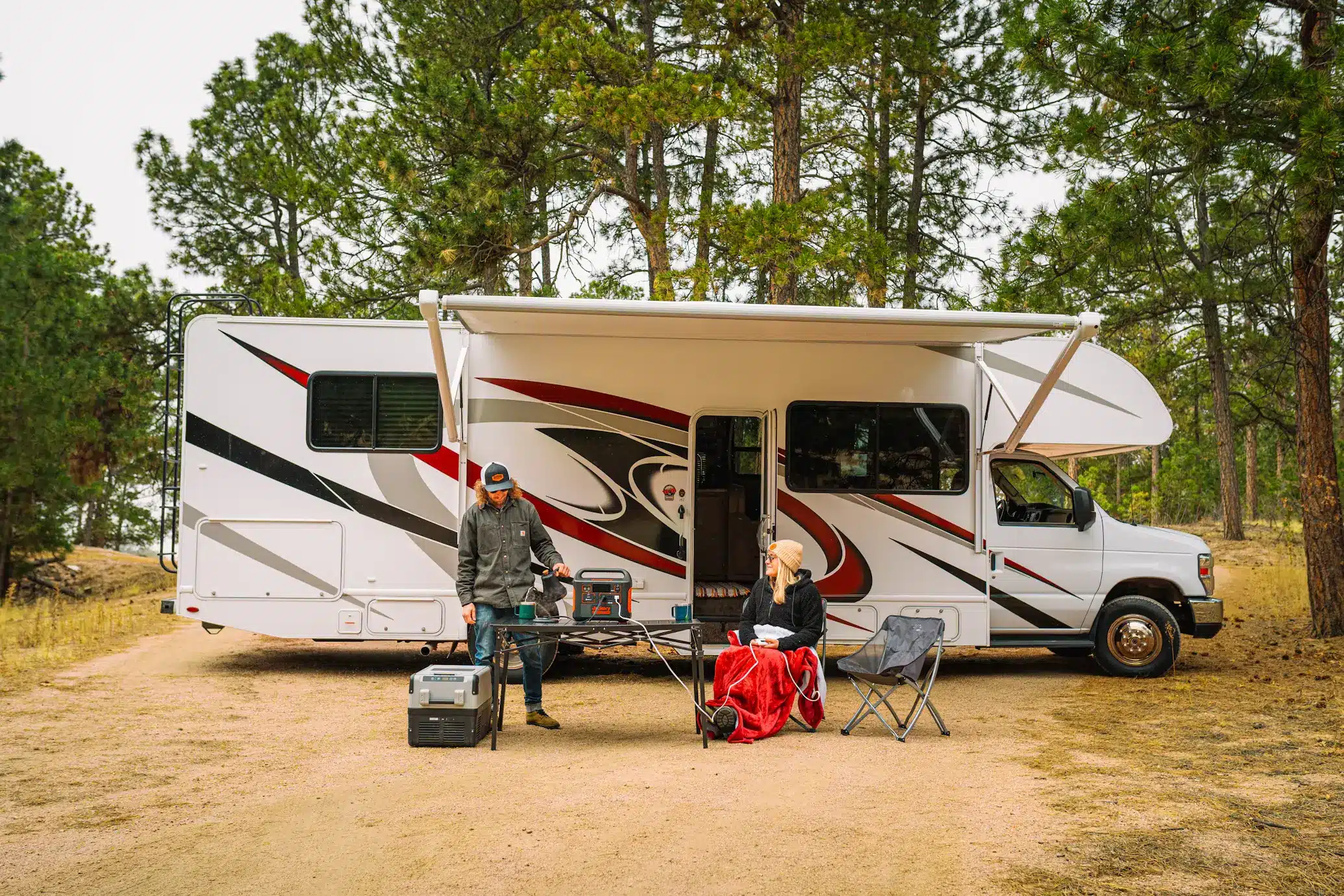
Eco-Friendly RV Camping becomes easier when you have practical gear that supports sustainability. Beginners should look for tools that help conserve energy, minimise waste, and reduce environmental strain. Eco-Friendly RV Camping gear often includes solar-powered chargers, reusable kitchen kits, collapsible bins, and compostable products. These items simplify your routine and make every day more comfortable while staying eco-conscious.
Eco-Friendly RV Camping gear also lasts longer than disposable options, saving beginners money in the long run. Solar lanterns replace single-use batteries, water filters reduce plastic bottle purchases, and durable cookware prevents frequent replacements. This combination makes Eco-Friendly RV Camping cost-effective and environmentally responsible.
Reducing Waste During Your Eco-Friendly RV Camping Trip
Reducing waste is one of the core principles of Eco-Friendly RV Camping. Beginners should focus on minimising single-use items, sorting recyclables, and storing food efficiently. Eco-Friendly RV Camping encourages travellers to bring reusable bags, sturdy containers, and compostable waste liners. This helps keep campsites clean and prevents rubbish from harming wildlife.
Eco-Friendly RV Camping also motivates beginners to plan meals carefully. When you buy only what you need, you limit food waste and reduce packaging. This supports a cleaner and more enjoyable camping experience while preserving natural surroundings.
Energy Conservation Made Simple in Eco-Friendly RV Camping
Energy conservation sits at the heart of Eco-Friendly RV Camping because RV systems use electricity for lighting, cooling, and cooking. Beginners can save significant power by switching to LED bulbs, installing solar panels, and reducing unnecessary appliance use. Eco-Friendly RV Camping becomes more efficient when you rely on natural light during the day and keep electronics to a minimum.
Eco-Friendly RV Camping also benefits from better insulation, proper ventilation, and controlled usage of heating systems. These small adjustments maintain comfort while reducing energy waste. The result is a more sustainable journey that aligns with the goals of Eco-Friendly RV Camping.
Water-Saving Tips for Beginners in Eco-Friendly RV Camping
Water conservation is essential for Eco-Friendly RV Camping, especially when you stay in areas with limited natural reserves. Beginners can install low-flow shower heads, use biodegradable soaps, and collect rinse water for cleaning tools. Eco-Friendly RV Camping encourages mindful use of every drop because water is a shared resource at crowded campsites.
Eco-Friendly RV Camping also promotes pre-washing vegetables, wiping dishes before rinsing, and turning off taps quickly. These habits may seem small, but they create huge long-term benefits for natural ecosystems and campsite operations.
Respecting Nature and Wildlife During Eco-Friendly RV Camping
Respecting nature is one of the most meaningful parts of Eco-Friendly RV Camping. Beginners should avoid feeding animals, stepping on fragile plants, or leaving behind food scraps. Eco-Friendly RV Camping promotes keeping a safe distance from wildlife to prevent stress or harm. Staying on marked trails and using designated fire areas also protects delicate habitats.
Eco-Friendly RV Camping teaches beginners to leave every place cleaner than they found it. Picking up stray rubbish, closing gates, and avoiding loud noises contributes to a peaceful environment that benefits both travellers and animals.
Planning the Perfect Eco-Friendly RV Camping Rout
Planning smarter routes helps beginners practise Eco-Friendly RV Camping efficiently. Choosing shorter distances, avoiding steep climbs when possible, and combining multiple stops into one reduces fuel consumption. Eco-Friendly RV Camping becomes easier when you check road conditions, weather forecasts, and campsite availability ahead of time.
Eco-Friendly RV Camping also encourages stopping at parks that support sustainability. These sites promote recycling, water conservation, and responsible behaviour. Beginners can enjoy cleaner spaces, scenic views, and a more organised adventure.
Eco-Friendly Food Choices for RV Travellers
Eco-Friendly RV Camping includes choosing foods that create less waste and lower environmental impact. Beginners should opt for fresh produce, reusable containers, local markets, and low-packaging products. Eco-Friendly RV Camping also promotes plant-based meals because they require fewer resources to produce.
Eco-Friendly RV Camping encourages cooking in batches and storing leftovers properly. This reduces energy usage from repeated cooking and ensures food stays fresh for longer periods.
Table: Practical Essentials for Eco-Friendly RV Camping
| Item | Purpose | Benefit for Eco-Friendly RV Camping |
|---|---|---|
| Reusable water containers | Reduce plastic use | Keeps campsites clean and lowers waste |
| Solar-powered lights | Use natural energy | Cuts battery consumption |
| Biodegradable soaps | Safe for the environment | Protects soil and water |
| Insulated cooler bag | Efficient food storage | Reduces reliance on RV fridge |
| Compostable trash bags | Easy waste handling | Supports eco-friendly disposal |
| Portable recycling bins | Waste separation | Keeps nature areas cleaner |
| Eco-friendly fuel additives | Improve engine performance | Reduce emissions |
| Low-flow shower head | Save water | Extend water supply |
| Fire-safe cooking stove | Controlled cooking | Lower wood usage |
| Reusable cutlery set | Replace disposable items | Less landfill waste |
Must Read:
- Cheapest One-Way RV Rentals Cross Country
- Luxury RV Parks on a Budget 2026
- Best RV Parks for Digital Nomads USA
Final Words
Eco-Friendly RV Camping gives beginners a meaningful way to enjoy adventures while protecting the natural world. It shows that comfort and sustainability can work together when you make thoughtful decisions about energy, water, fuel, and waste. Eco-Friendly RV Camping builds habits that stay with you across every journey, helping you treat nature with respect and gratitude.
This lifestyle brings rewarding moments because every action contributes to a cleaner environment, healthier wildlife, and happier communities. As you practise Eco-Friendly RV Camping regularly, you’ll notice the positive effects on both your travels and the landscapes around you.
Eco-Friendly RV Camping also creates a deeper sense of responsibility on the road. You learn to appreciate the details of nature instead of taking them for granted. Clean rivers, quiet nights, star-filled skies, and fresh air make your journeys more enjoyable. Eco-Friendly RV Camping allows beginners to become more conscious of their impact while still embracing the joy of exploration.
This balance turns ordinary road trips into meaningful experiences that support a brighter future. Every small step you take whether using solar lights, conserving water, or choosing eco-certified parks adds up to protect the spaces you love. Eco-Friendly RV Camping helps you travel smarter, kinder, and more intentionally, leaving behind memories instead of waste.