
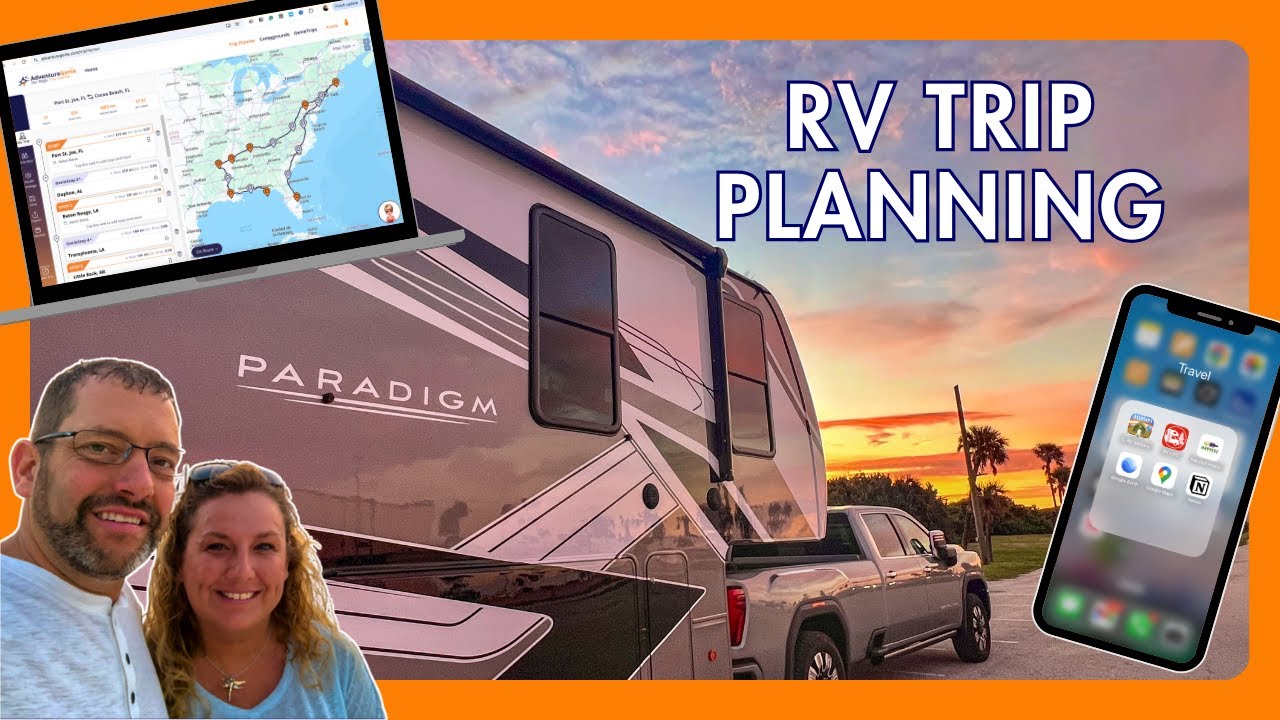
RV Trip Planning can feel exciting when you first decide to take your home on wheels out on the open road. Many new travellers picture quiet highways, star-filled nights and the thrill of waking up somewhere new each morning.
RV Trip Planning becomes even more enjoyable when you know the basics, because it turns an intimidating process into something simple and adventurous. With the right approach, you can avoid common errors and set off with confidence.
Many beginners start RV Trip Planning without a clear structure, and that can create confusion later. The right plan helps you pace your journey, choose suitable campgrounds, manage fuel costs and keep your days stress-free.
A steady rhythm always makes RV Trip Planning more satisfying because it allows you to enjoy each location rather than rush through it. When you prepare clearly, you reduce risks and increase comfort throughout the trip.
Today, RV Trip Planning plays a huge role in the way people travel, work and unwind. More families, couples and solo explorers use RV Trip Planning to cut traditional travel bills and experience freedom at their own speed. With the following guide, you will learn every essential stage from choosing your RV to planning routes, budgeting wisely, handling safety and maintaining your vehicle.
This RV Trip Planning guide keeps things direct, clear and conversational so you can follow it step by step with ease.
1. Choose the Right RV for Your Journey
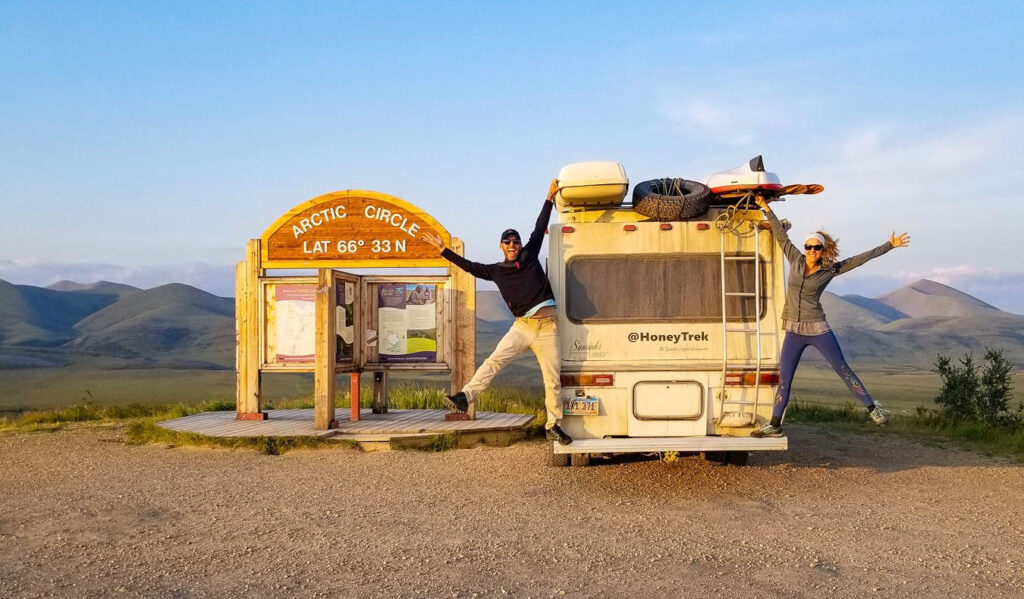
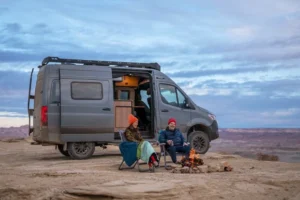
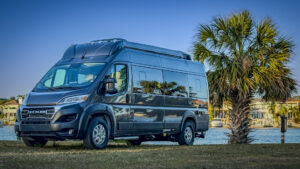
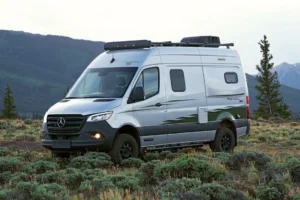
National Park RV Trip Planning always starts with selecting the right RV because this single choice shapes your comfort, fuel usage and day-to-day rhythm on the road. First-time travellers often assume that a large motorhome will make life easier, but smaller layouts tend to offer better manoeuvrability, especially inside crowded parks or narrow forest roads. National Park RV Trip Planning improves when you compare Class A, B and C motorhomes, along with towable trailers and campervans, because each one delivers a different level of flexibility. A Class B van is nimble and efficient, a Class C offers family-friendly living space and a towable trailer gives you the freedom to detach and explore without moving your entire setup. When you align your confidence level with the right RV size, National Park RV Trip Planning becomes more enjoyable.
While preparing, consider the number of people travelling with you and the equipment they need. More passengers mean more weight, and extra weight affects performance. So keep your gear practical rather than excessive. Look closely at sleeping arrangements, kitchen appliances and storage pockets because cramped interiors can make long drives less enjoyable. National Park RV Trip Planning also benefits from a clear budget review. Fuel costs, rental rates and insurance vary widely. Understanding these factors early helps you avoid unpleasant surprises.
Key notes for beginners
- Compare RV classes before booking
- Choose a size that matches your driving confidence
- Review floor plans for sleeping and dining needs
- Estimate fuel consumption for your chosen model
2. Map Out a Realistic Route and Timeline
A well-paced route makes National Park RV Trip Planning far more pleasant because national parks often involve long distances, steep curves and wildlife zones where slower driving is essential. New RV travellers sometimes overload their itinerary by squeezing too many destinations into a short timeframe. This usually leads to stress rather than enjoyment. National Park RV Trip Planning works best when you focus on a few key parks, allow generous travel time and stay open to spontaneous stops. Slow travel lets you appreciate scenic overlooks, quiet picnic areas and local viewpoints that you might miss with a rushed schedule.
Digital tools make National Park RV Trip Planning easier. Apps show you road conditions, height restrictions and weather alerts. National parks often have roads with sharp turns or low tunnels, so check access rules beforehand. Weather is another major factor. Sudden rain, fog or snow can shift your driving pattern quickly. Having a backup route makes your trip safer.
Use simple pacing rules such as the “2-2-2 method”: drive two hours, take a break and reach campgrounds by mid-afternoon. This routine keeps energy levels high and reduces fatigue during National Park RV Trip Planning.
Helpful route-planning tips
- Prioritise a small number of parks
- Check height-clearance routes
- Download offline maps
- Keep a weather backup plan
3. Book Campgrounds in Advance
Campsite availability can make or break National Park RV Trip Planning because popular parks often book out months in advance. National parks attract families, hikers and wildlife enthusiasts throughout the year, so planning your stays early saves you from searching for last-minute alternatives. When you compare campground facilities, think about hookups, shade, noise levels and proximity to trails. Each detail affects your comfort during National Park RV Trip Planning.
Not all parks offer the same experience. National park campgrounds provide natural scenery but usually have size limits. Private campgrounds offer more amenities, while dispersed camping demands complete self-sufficiency. Your choice shapes how you prepare. Reading campsite reviews helps you find quiet, clean and well-managed places, which makes your evenings more peaceful.
Safety also plays a role in National Park RV Trip Planning. Choose campsites with adequate lighting, clear road signs and good reputation among travellers. Booking early often gives you access to better spots like riverside plots or shaded areas. With the right campground strategy, your National Park RV Trip Planning becomes smoother and stress-free.
What to check before booking
- RV size limits
- Hookup availability
- Noise levels and privacy
- Distance to visitor centres and trails
4. Budget Wisely and Track Your Expenses
Staying within a clear budget strengthens National Park RV Trip Planning because travel costs accumulate quickly when you're on the road. Fuel, groceries, campsite fees and maintenance can shift weekly depending on your route. Many first-time travellers underestimate fuel consumption, especially when driving uphill or through long park stretches. National Park RV Trip Planning improves when you track spending with a simple logbook or budgeting app. Seeing your expenses visually helps you stay disciplined.
Fuel prices vary across states, so research stations with fair rates along your path. Meal planning is another essential step. Cooking simple meals in your RV saves money and preserves your energy for hikes and sightseeing. Overspending on café stops is easy when travelling, so planning meals supports better budgeting in your National Park RV Trip Planning journey.
Always keep aside an emergency fund for tyre changes, battery issues or unexpected repairs. These incidents can interrupt your trip, but having backup cash keeps you calm. With a structured financial plan, your National Park RV Trip Planning stays enjoyable and predictable.
Smart budgeting ideas
- Track every purchase
- Cook inside the RV
- Look for fuel rewards programs
- Save a maintenance emergency fund
5. Understand RV Parking, Safety and Road Etiquette
Safe driving plays a central role in National Park RV Trip Planning because national parks often involve narrow roads, steep cliffs and tight bends. Driving an RV feels different from driving a car, so practice reversing, wide turns and parking before you begin your journey. Many travellers prefer practising in an empty car park to build confidence. When you understand the basics, National Park RV Trip Planning feels smoother.
Road etiquette matters, too. Keep to the slow lane, allow smaller vehicles to pass and maintain a steady pace. Regular safety checks should be part of your daily routine during National Park RV Trip Planning. Check tyre pressure, brake performance, lights and essential fluids every morning. These small checks reduce breakdown risks.
Parking rules vary across national parks. Some areas allow day parking only, while others allow overnight stays. Understanding these guidelines prevents fines and ensures a peaceful trip. When you stay alert, respectful and prepared, your National Park RV Trip Planning becomes safer for you and everyone on the road.
Safety essentials
- Practise parking beforehand
- Follow posted speed limits
- Conduct pre-drive safety checks
- Respect wildlife crossing zones
6. Prepare a Reliable Packing Checklist
A solid packing list supports every stage of National Park RV Trip Planning because national parks offer varied climates, changing elevations and unpredictable weather. Many beginners forget must-have items such as level blocks, spare cables or rain layers. Creating an organised checklist keeps your RV uncluttered and functional. When you split items into kitchen gear, bedding, clothing, tools and outdoor essentials, your National Park RV Trip Planning becomes efficient from the start.
Weather affects your comfort inside the RV. Nights in higher altitudes can get chilly, while desert zones heat up quickly. Include layers, breathable clothes and emergency blankets. Cleaning supplies also matter more than most beginners expect. Small interiors get messy fast, so wipes, small vacuums and multipurpose cleaners make National Park RV Trip Planning more comfortable.
Weight control is important. Overloaded RVs struggle on steep park roads, so pack only what you truly need. Keeping chargers, torches and key tools accessible makes life easier during National Park RV Trip Planning, especially during night arrivals or sudden weather shifts.
Checklist examples
- Clothing layers for varied climates
- Tools and repair kits
- Compact cleaning supplies
- Extra chargers and cables
7. Learn to Manage Water, Power and Waste Systems
Knowing how your RV systems operate is essential to National Park RV Trip Planning because parks often provide limited hookups. Freshwater, grey water and black water tanks all serve distinct purposes, and understanding their function keeps your RV sanitary. Reading your RV manual helps you learn valve controls, tank capacities and safe disposal routines. When you grasp these basics, National Park RV Trip Planning becomes less stressful.
Power management matters. National parks sometimes limit generator hours, so rely on solar panels, LED lighting and power banks. Keep an eye on your battery levels and cut unnecessary usage. Appliances like microwaves drain power fast, so plan wisely during National Park RV Trip Planning.
Waste disposal must follow park rules. Many designated dump stations have strict guidelines. Gloves, hoses and proper disinfectant keep the process hygienic. Learning these steps early makes your National Park RV Trip Planning experience smoother and more environmentally responsible.
System essentials
- Monitor tank levels regularly
- Conserve battery usage
- Follow rules at dump stations
- Carry gloves and sanitation supplies
8. Maintain a Comfortable Living Space on the Road
Creating a homely interior elevates National Park RV Trip Planning because long days outdoors feel better when your RV remains tidy and restful. Simple upgrades such as extra cushions, compact organisers and soft bedding make a noticeable difference. When everything has a designated spot, your National Park RV Trip Planning becomes less chaotic and more enjoyable.
Ventilation can transform your comfort. Crack open windows during warm evenings or use portable fans when needed. Good airflow stops moisture build-up in humid regions. Adding indoor plants improves air quality and brings a calm atmosphere after busy outdoor activities.
Temperature control also plays into National Park RV Trip Planning. Reflective window covers help regulate heat. Light blankets work well for mild nights, while thermal bedding is useful for cold mountain parks. A clean, fresh space helps you rest better, making each day of National Park RV Trip Planning more rewarding.
Comfort boosters
- Soft bedding and pillows
- Ventilation fans
- Natural light and plants
- Foldable storage bins
9. Keep Communication Tools and Navigation Devices Ready
Reliable communication matters for National Park RV Trip Planning because remote parks often have weak or no mobile signal. Beginners frequently rely on mobile data alone, but carrying a portable Wi-Fi hotspot, power bank and offline map downloads keeps you prepared for unexpected gaps. Staying connected makes your National Park RV Trip Planning safer.
RV-specific GPS systems offer height-clearance alerts, weight limits and RV-friendly routes. They prevent you from entering unsafe roads or low tunnels. Before leaving, download offline navigation maps because national parks often block signals. This small step protects your National Park RV Trip Planning from confusion during remote stretches.
Store emergency contacts for park rangers, roadside help and nearby service stations. This gives you peace of mind and helps you respond quickly during National Park RV Trip Planning if something unexpected occurs.
Communication must-haves
- RV GPS with clearance alerts
- Offline map downloads
- Spare power bank
- Emergency contact list
10. Perform Regular Maintenance for Safety and Longevity
Routine maintenance is the backbone of successful National Park RV Trip Planning because parks feature rough roads, sudden elevation changes and temperature shifts that test your RV’s reliability. Before each major drive, inspect tyres, brakes, coolant and lights. These quick checks can prevent breakdowns in remote areas. Regular maintenance ensures your National Park RV Trip Planning runs safely and smoothly.
Listen for unusual noises or vibrations. These signs usually indicate early mechanical issues. Pack essential tools like a pressure gauge, screwdrivers and jumper cables. Having tools ready helps you deal with minor issues without delaying your National Park RV Trip Planning.
Clean your RV frequently, especially air vents, cabinets and windows. Dust and moisture accumulate faster inside smaller spaces. A tidy RV keeps you comfortable and reduces maintenance problems. When you look after your vehicle consistently, every part of your National Park RV Trip Planning experience feels more reliable.
Maintenance essentials
- Daily tyre and fluid checks
- Pack basic repair tools
- Clean interior regularly
- Address unusual sounds early
Table: Essential RV Trip Planning Checklist
| Category | Items to Prepare | Why It Matters in RV Trip Planning |
|---|---|---|
| Vehicle Checks | Tyre pressure, oil, coolant, brake inspection | Ensures safety and prevents breakdowns |
| Navigation | GPS, offline maps, route notes | Keeps you on safe, RV-friendly roads |
| Comfort | Pillows, bedding, organisers, fans | Creates a calm and tidy living space |
| Utilities | Power banks, solar chargers, adapters | Maintains power for long journeys |
| Kitchen | Portable stove, utensils, dry food | Reduces food costs and improves convenience |
| Safety Gear | First-aid kit, torch, warning triangles | Supports emergency preparedness |
| Water & Waste | Freshwater hose, gloves, dump station supplies | Keeps hygiene under control |
| Tools | Wrench set, jumper cables, tape | Helps solve minor mechanical issues |
| Technology | Portable Wi-Fi, chargers, battery pack | Maintains communication during off-grid travel |
| Extras | Camping chairs, outdoor mat, insect spray | Enhances comfort during stops |
Must Read:
- RV Rental Trip Planning for Work Travel
- National Park RV Trip Planning 2026
- Mini RV Rental for Weekend Trips
Final Words
RV Trip Planning becomes easier when you have a clear structure, a reliable checklist and a sense of how your RV works. Beginners often feel overwhelmed at first, but with steady preparation, the journey becomes joyful rather than stressful.
RV Trip Planning gives you the freedom to explore landscapes at your own pace, enjoy peaceful stops and experience a style of travel that feels liberating. When you apply these steps carefully, you travel confidently and avoid unnecessary troubles along the way.
The purpose of this RV Trip Planning guide is to help you make smarter choices, save time and feel ready for any challenge on the road. As long as you plan realistically, manage your budget and maintain your RV, each journey becomes a memorable adventure.
RV Trip Planning creates opportunities for exploration, comfort and meaningful time with the people you travel with. With the right mindset, every trip becomes a rewarding story worth repeating.